
GoldenhillPrimary Academy
Wellbeing
We all have mental health. Mental health is about our feelings, our thinking, our emotions and our mood. Looking after our mental health is important.
Looking after your mental health and wellbeing will help you to build your resilience and take on life’s challenges. The five ways to wellbeing can help you do this.
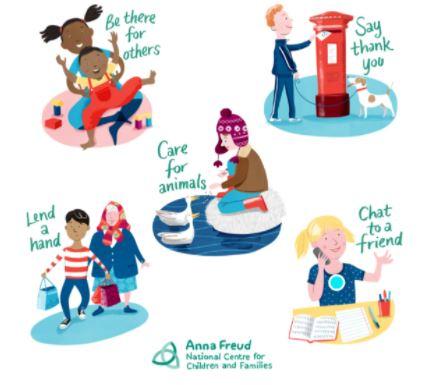
1. Connect
This can be with friends or family members.
You can try:
• making time for your friends or family members to build your relationships;
• asking someone how they are and making sure you listen to them.
2. Be active
This can be gentle exercise.
You can try:
• going for a walk with family;
• doing a yoga or workout session online.
3. Take notice
Be more aware of your surroundings.
You can try:
• looking at the sights while you go for a walk;
• noticing the changing seasons.
4. Keep learning
This doesn’t have to be in school or lessons.
You can try:
• a new hobby, such as cooking;
• reading about something that interests you.
5. Give
This doesn’t have to be money.
You can try:
• cleaning, tidying, helping siblings or cooking.
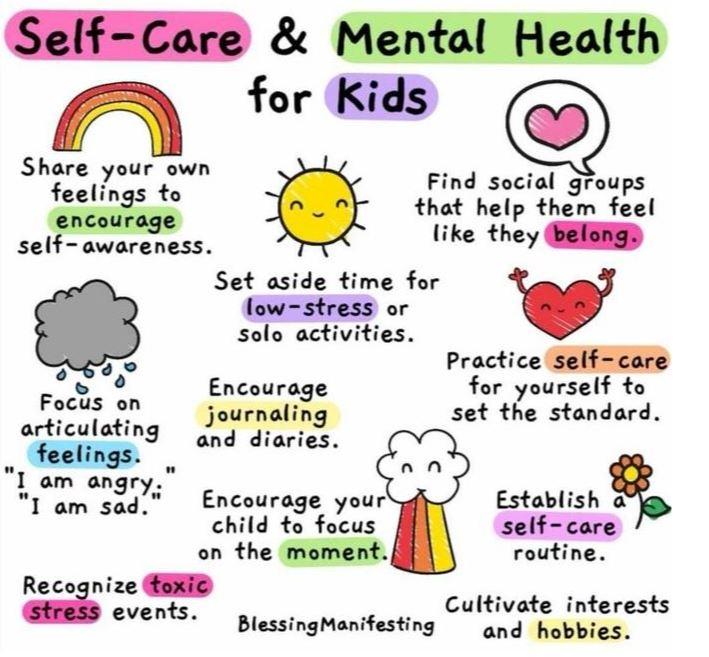
Time To Talk:
We want to provide our children with as many ways to raise concerns and to talk about how they are feeling. They can do this by:
- Speaking to their class teacher or another member of staff in the classroom/academy
- Speaking to Mrs. Meadowcroft (our Extended Services Manager)
- Through dedicated lessons including Personal, Social, Heath Education (PSHE) which is taught through Jig Saw, P4C, Circle Time
In addition to this:
- We have also implemented a wellbeing programme called Zumos. Each child in the academy has a Zumos page that includes their very own worry box where children are able to send their worries or concern through the worry box. These worries will be sent to the classroom teacher and to our Extended Services Manager. Staff are then able to address the children's worries through a simple message or leading them to the appropriate podcasts or materials provided by Zumos. Click on the link below to find out more about Zumos
Supporting your pupils through the COVID-19 pandemic
I'm struggling with my child’s behaviour
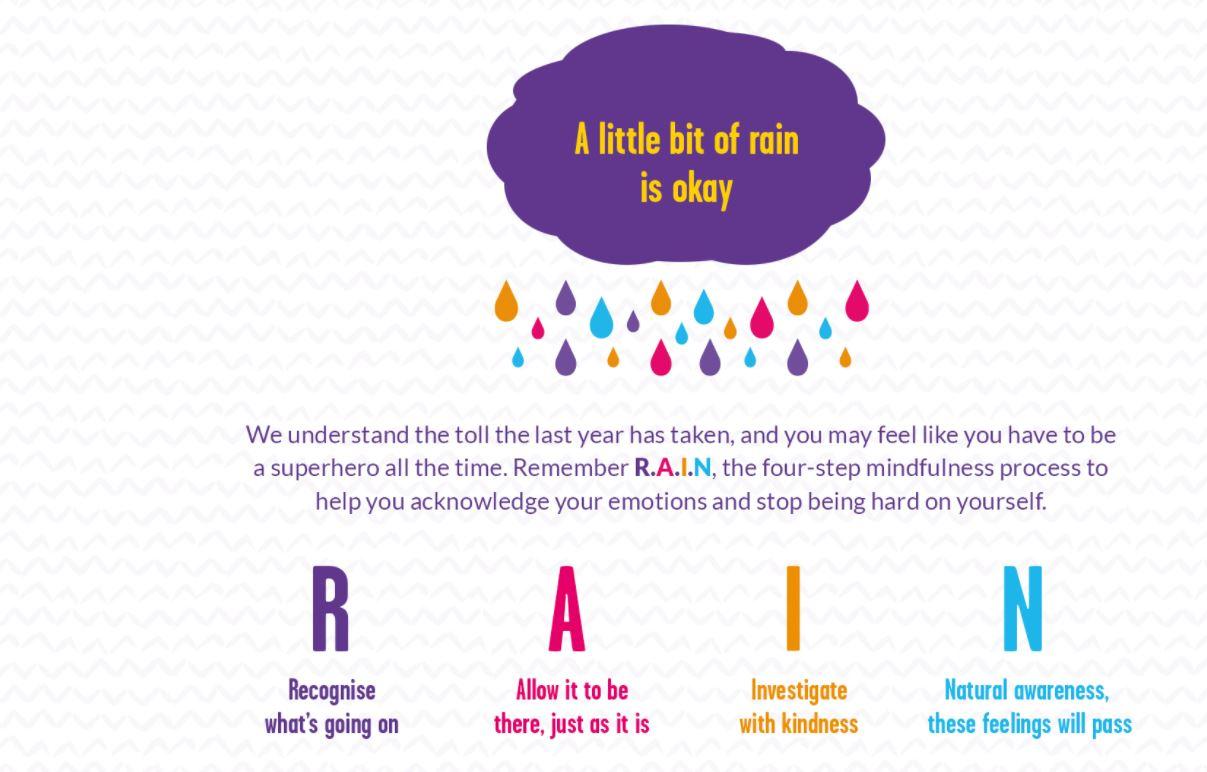
It is normal if your child’s behaviour is a bit more challenging than usual at the moment. Children and young people often express how they’re feeling through they’re behaviour – and many young people are feeling uncertain, anxious or frustrated right now.
Challenging behaviour can, however, be exhausting for you as a parent, and it’s important to find ways of managing it that work for you.
Have a look at our tips to help you respond to your child’s behaviour:
What is challenging behaviour?
Just like us, children behave differently at different times. Feeling upset, sad, cross, frustrated and lots of other kinds of emotions is a normal and healthy part of their life. Many children go through phases of testing boundaries, and they are likely to behave in ways that are harder to manage when they are tired, ill or stressed. It is normal for younger children to have tantrums sometimes, while older children may sometimes shout, storm out or lash out.
When we talk about ‘challenging behaviour’, we mean behaviours that are persistent and difficult for both you and your child to manage. This includes things like:
- Having lots of angry outbursts
- Regularly shouting, swearing and being very argumentative
- Frequently hitting, biting or kicking others
- Kicking, smashing or damaging things in their home or school
- Being unkind or bullying towards other family members or children
- Persistently getting into trouble at school.
How can I talk to my child about their behaviour?
Your child's behaviour is a communication about how they’re feeling. When your child is acting out, it can be useful to think of an iceberg. The difficult behaviour is the tip, but there are likely to be a range of emotions hidden under the surface.
By opening up a conversation with your child, you can find out more about how they’re feeling and what’s going on for them.
- Find a suitable time and place to talk. Your child might find it easier to talk if you start the conversation while doing an activity. Have a look at our list of activities for some ideas.
- Make it clear that the behaviour is the problem, and not them. Let them know that it’s okay to feel however they feel, whether that’s sad, angry, worried or something else, and that you can work together to find new ways of managing these feelings.
- Explain why the behaviour is not okay so they understand. For example, you might say that while it’s normal to feel angry, it hurts other people when they hit.
- Be curious, empathetic and non-judgmental. Focus on listening and trying to understand things from their perspective.
- Use simple phrases such as ‘I notice there is a lot of shouting happening’, ‘I think something might be upsetting you’, ‘I feel worried you’re not happy’, and ‘I need you to know you can talk to me about what’s going on’.
- Reassure them that you love them and want to help them feel happier and enjoy things again.
How can I help my child?
- Set clear boundaries and routines, and stick to these as much as you can. You could do this by creating a family agreement covering things like screen-time limits, family meals and times for getting up and going to bed.
- Follow through on consequences. Your child may respond better if you give a warning before the consequence, so they have an opportunity to change their behaviour. After the consequence has been given, it’s important to chat together about what happened and return to positive interactions.
- Give your child positive praise. Notice and encourage them when they demonstrate the kinds of behaviours you have asked for, and be specific about why you’re praising them.
- Talk together about activities that help them to express their feelings and calm down. This might be drawing or painting, doing something active like running, jumping or their favourite sport, reading a book, writing a story, baking or making something out of playdough or Lego.
- Help your child understand their feelings. When you are curious about your child's feelings, this helps them understand and find words to describe them. You can also help them think about the signs that let them know they might be about to ‘blow their top’ – such as feeling hot, muscles clenching or breathing more heavily.
- Try to stay calm. You may feel frustrated, angry or overwhelmed when your child is behaving in challenging ways – and this is completely normal. Try not to react or argue back when things are like this. Give yourself and your child a chance to have some space before you talk about it.
- Spend quality time with your child. Find things you can enjoy together – such as going to the park, playing a board game, cooking something or watching a favourite film. As a parent you will often be juggling different things, so try to set aside time when you can be really present with your child.
- Talk to your child’s school. Share your concerns with their teacher and find out what their experience is. How does your child behave at school? Is it similar or different to the way they behave at home? If your child’s teacher has found something that works, it may be helpful to try it at home to provide consistency.
Links to Mental Health and Wellbeing resources and support.
CAMHS crisis hub 0300 123 09 07 (option 1)- for if your child is at crisis point.